
Embrace Weird | 1 Peter 2:11-25 Notes

When the Going Gets Tough
We all know the saying: when the going gets tough, the tough get going. But what actually allows people to keep going?
Australian prisoners of war in World War II became the stuff of legend for their resilience. Mateship, discipline, dark humour, resourcefulness — and for many, faith. Not faith as an abstract concept, but a practical source of hope and meaning that helped them make sense of suffering and maintain moral and mental strength when everything around them was falling apart.
Peter’s original readers faced something similar. They lived in a tangle of dual realities — chosen by God but social nobodies, free in Christ but subject to emperors, righteous before God but treated as lawbreakers. How do you navigate that?
Peter’s answer from 1 Peter 2:11-25 comes in three words: honour, endure, entrust.
Honour (vv 11–17) means beautiful conduct — behaviour that is beautiful by reason of purity of heart and life. This shows up in how we engage with government (not just keeping the law, but being a proactive force for good in our communities) and how we show up at work (not doing the bare minimum to stay out of trouble, but going above and beyond). The early church had a remarkable reputation in the Roman Empire for exactly this. Even Emperor Julian — who tried to stamp out Christianity — had to admit that Christian charity toward strangers was a key reason the faith was spreading.
Endure (vv 18–20) means to bear up under a heavy load, remaining under pressure while relying on God’s promises rather than looking for a way out. God doesn’t just permit suffering for doing good — he calls us to it. And enduring it means showing grace to those who don’t deserve it, as God has to us.
Entrust (vv 21–25) means to commit your identity, your purpose, your hopes, your soul into God’s hands — and keep doing good anyway. It’s the example of Jesus himself: when reviled, he didn’t retaliate; when he suffered, he didn’t threaten. He kept entrusting himself to the one who judges justly.
And here’s the anchor: while we are called to guard our souls, Jesus is also guarding them for us. He is the shepherd and overseer of our souls, keeping an imperishable inheritance for us in heaven.
The going will get tough. But with our souls in his hands, we can keep going.
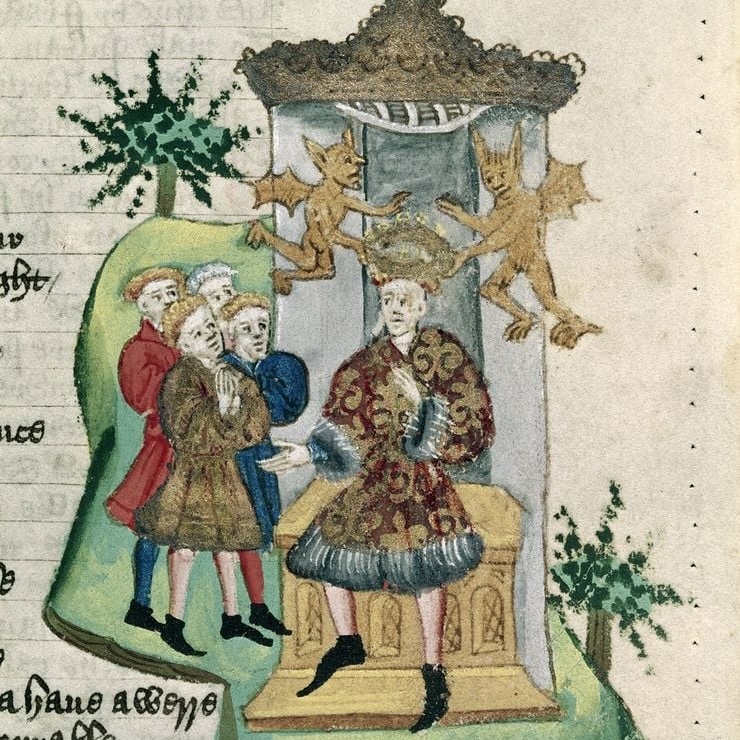
Emperor Julian — who tried to stamp out Christianity — had to admit that Christian charity toward strangers was a key reason the faith was spreading.
HOME GROUP QUESTIONS
KICKOFF
What stood out to you from the sermon, and what questions did it raise?
Prayer for our time in God’s word.
Read 1 Peter 2:11-25
- What strikes you from the passage?
- Peter describes Christians living in several tensions at once. What are they?
BIG IDEA: HONOUR, ENDURE, ENTRUST
In 1 Peter 2:11–25, Peter tackles the tension Christians live in — belonging to God while feeling like outsiders in the world. Three words shape the response: honour, endure, entrust. We’re called to live with honour — beautiful conduct in our communities and workplaces — not just keeping out of trouble, but proactively doing good. We’re called to endure unjust suffering rather than escape it, showing grace to those who don’t deserve it, as God has shown us. And we’re called to entrust our identity, our hopes, and our souls to God who judges justly — following the example of Jesus who suffered without retaliating. The anchor for all of this: Jesus is the shepherd and overseer of our souls, keeping us for eternity.
HONOUR (1 Peter 2:11–12)
Honourable = beautiful in moral purity.
- How is honourable conduct similar or different to the holy conduct we are called to in 1:14–16?
- Why does honourable conduct sometimes result in opposition?
(1 Peter 2:13-17)
- What aspects of our government do you find difficult to submit to?
- How do Christians — either through inactivity or political activism — sometimes get it wrong?
- What are positive ways to demonstrate submission? How can we demonstrate to governing authorities that we are a positive force for good?
ENDURE (1 Peter 2:18–20)
- How does the command to be subject to masters (employers) challenge your attitudes to work?
- What makes endurance difficult?
ENTRUST (1 Peter 2:21–25)
- How does knowing Jesus — his experience and his example — build resilience?
- Re-read verses 24–25. What has Jesus done, and what does that mean for how we face suffering?
- What aspects of entrusting your “self” to God do you want to work on?
Prayer: In response to the passage.
Vision Prayer: Father God, by your grace, enable our church to be a city of refuge within the city of Brisbane. Empower me this week, by your Spirit, to offer one person the refuge, security, and hope found in Christ Jesus. Amen.